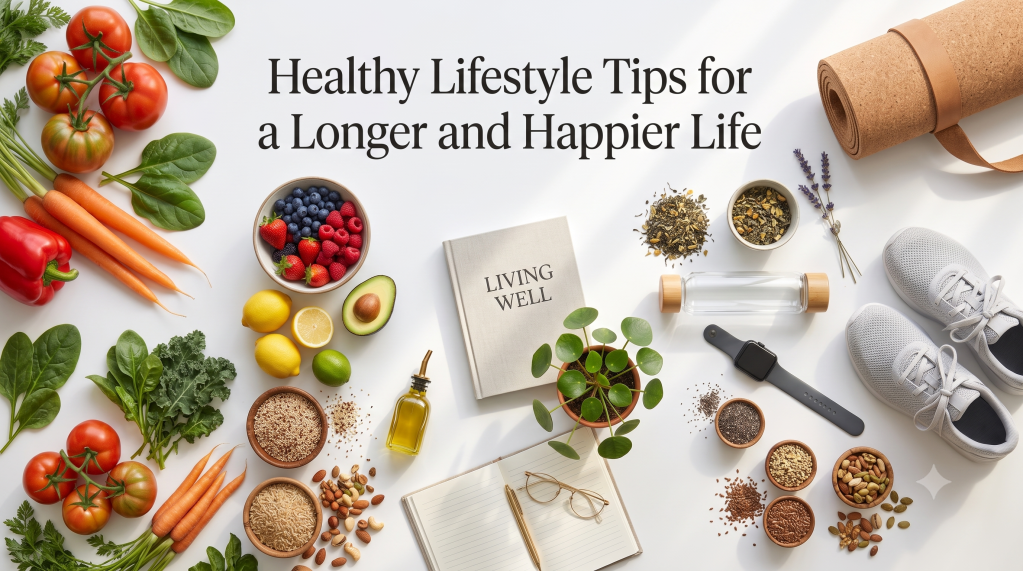
Somewhere along the way, “living a healthy life” got turned into a strict checklist of things to fear , foods to avoid, workouts to dread, and habits to feel constantly guilty about. But the people who actually live the longest, happiest lives rarely describe their days that way. They talk about morning walks with neighbors, meals shared slowly around a big table, backyards gardened, afternoon naps taken without a shred of guilt, and problems solved with laughter instead of panic.
Longevity, it turns out, isn’t mostly about expensive supplements, trendy powders, or extreme discipline. It is about a collection of small, sustainable habits – the kind so simple they are easy to dismiss, yet powerful enough to be found again and again in the research on the world’s longest-living populations. This guide brings all of that wisdom together in one place: a complete, practical, and globally relevant roadmap to a longer, genuinely happier life.
No fear tactics. No unrealistic routines. Just what actually works, explained simply enough to start today.
What “Healthy Living” Really Means
Before diving into the specific tips, it’s worth resetting the definition entirely. A healthy lifestyle isn’t just the absence of illness – it is the active presence of habits that support your body, mind, and relationships over the long run.
Researchers studying the world’s “Blue Zones”, regions with unusually high numbers of people living vibrant lives past the age of 100, including parts of Okinawa (Japan), Sardinia (Italy), and Costa Rica’s Nicoya Peninsula, consistently find the same pattern: longevity isn’t driven by one miracle habit, but by an entire lifestyle built around natural movement, clear purpose, deep community, and simple, whole food.

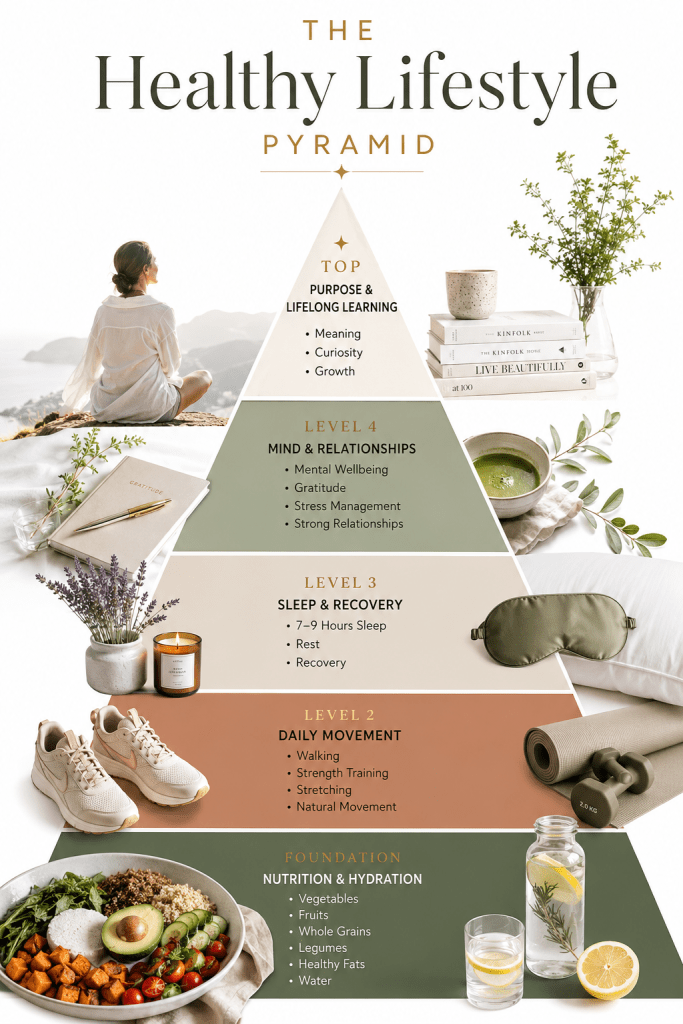
That is the exact framework this guide follows. We will walk through nine foundational pillars – nutrition, movement, sleep, mental wellbeing, social connection, stress management, preventive care, environment, and purpose – with practical, easy-to-start tips in each.
Pillar One: Nutrition That Nourishes, Not Punishes
Eat More Plants, Without Going to Extremes
You do not need to become a strict vegan or follow a rigid, labeled diet to eat healthily. The most consistent finding across longevity research is incredibly simple: diets rich in vegetables, fruits, legumes, whole grains, and nuts are strongly linked to longer, healthier lives, regardless of the specific cultural cuisine they come from.
- Aim to fill half your plate with vegetables at most major meals.
- Swap refined grains (like white bread or white rice) for whole grains a few times a week.
- Add a handful of beans, lentils, or chickpeas to your favorite soups, salads, or dinner bowls.
- Snack on a small handful of raw or roasted nuts instead of heavily processed snacks a few times a week.
Prioritize Whole Foods Over Processed Ones
Ultra-processed foods like packaged snacks, sugary drinks, and fast food are consistently linked to higher health risks when they make up the majority of what you eat. The goal here isn’t to eliminate them entirely, as an occasional treat is part of a balanced, happy life. Instead, focus on making whole, minimally processed foods your primary foundation.
- Cook at home just a few more nights a week than you currently do.
- Choose a piece of whole fruit over fruit juice to get the full benefit of natural fiber.
- Read the ingredient list on packages – if it reads like a chemistry textbook, it’s worth an occasional swap for something simpler.
- Keep healthy, ready-to-eat options (like cut vegetables, fresh fruit, and nuts) visible and highly accessible in your kitchen.
Practice Mindful, Unhurried Eating
One of the most overlooked longevity habits, especially common in cultures known for healthy aging, is eating slowly and stopping when you are about 80% full. In Okinawan culture, this practice is called hara hachi bu. Eating slowly gives your body the necessary time to register fullness, which naturally supports healthy portion sizes without any exhausting calorie counting or restriction.
Easy Ways to Apply This: Practice putting your fork down between bites to slow your pace. Make a rule to eat without screens at least once a day, even briefly. Pay close attention to your natural hunger and fullness cues rather than eating on pure autopilot.
Hydration: The Simplest Habit With the Biggest Payoff
Mild dehydration is incredibly common and is often mistaken for general fatigue, sudden brain fog, or even hunger pangs. Staying well-hydrated supports everything from your daily energy levels and skin health to clear cognitive function.
- Keep a water bottle visible on your desk or kitchen counter as a friendly visual reminder.
- Start your morning with a full glass of water before you reach for your first cup of coffee or tea.
- Add herbal teas or infused fruit water to your routine for variety if plain water feels boring after a while.
Pillar Two: Movement That Fits Real Life
Consistency Beats Intensity
The healthiest, longest-living populations rarely rely on grueling, formal gym workouts. Instead, movement is simply woven naturally into the fabric of their daily lives like walking to run errands, gardening, climbing stairs, and doing active physical chores. This kind of natural movement adds up to massive long-term health benefits without requiring hours at a fitness center.
- Take the stairs whenever it is reasonably possible.
- Walk or cycle for short local errands instead of automatically jumping in the car.
- Stand up and move around for a few minutes every hour if you work a desk job.
- Turn phone calls into walking calls by pacing around your space or walking outside while you speak.
Strength Training Isn’t Just for Athletes
Muscle mass naturally declines as we get older, a process known as sarcopenia. However, this natural decline can be significantly slowed down with regular strength training. This matters for far more than physical appearance; maintaining muscle and bone strength is directly linked to keeping your independence and mobility later in life.
- Start with basic bodyweight exercises (like squats, push-ups, and planks) two to three times a week.
- Carry heavy groceries, work in the garden, or do household tasks that involve natural lifting and carrying.
- Consider using light resistance bands or dumbbells at home if a local gym isn’t accessible or desirable for you.
Move for Joy, Not Just for Calories
Movement that feels like a punishment rarely lasts long. The most sustainable approach to staying physically active is choosing something you genuinely enjoy doing – dancing, swimming, hiking, or playing a recreational sport rather than forcing yourself through a workout routine you absolute dread.
Easy Ways to Apply This: Try a few completely different types of movement until you find something that clicks. Involve friends or family members to make movement a fun social activity rather than a solitary task. Track how physical activity makes you feel, not just how many calories it burns.
Pillar Three: Sleep as a Longevity Pillar, Not an Afterthought
Why Sleep Deserves Equal Priority to Diet and Exercise
Sleep is often the very first habit sacrificed when life gets busy or stressful, yet it is one of the most consistently linked factors to both long-term longevity and daily happiness. Poor sleep is associated with an increased risk of numerous chronic conditions, impaired mood regulation, and reduced mental performance.
| Sleep Challenge | Easy Way to Apply This |
| Irregular Sleep Schedule | Aim for a consistent sleep and wake time every day, even on weekends. |
| Late-Night Screen Use | Dim your lights and reduce screen exposure in the hour before bed. |
| Poor Bedroom Environment | Keep your bedroom cool, dark, and reserved primarily for sleep. |
| Afternoon Slumps | Avoid caffeine in the afternoon and evening if it affects your sleep quality. |
The Power of Naps, Done Right
Short naps typically lasting between 10 and 20 minutes that have been shown to improve alertness and mood without disrupting your nighttime sleep. In fact, daily rests are a common feature of life in several long-living cultures around the world.
- Keep your naps short and take them before mid-afternoon to avoid disrupting your ability to fall asleep at night.
- Use a nap as a gentle mid-day reset rather than a regular replacement for getting adequate nighttime rest.
Pillar Four: Mental and Emotional Wellbeing
Manage Stress Instead of Just Enduring It
Chronic, unmanaged stress takes a measurable physical toll on the body over time, contributing to internal inflammation, strain on your heart, and a weakened immune system. True longevity isn’t just about what you eat or how you move, it is also about how effectively you recover from life’s inevitable pressures.
- Practice a few minutes of deep breathing or quiet meditation daily.
- Spend time outdoors – even short exposure to green nature spaces is linked to lower stress hormone levels.
- Identify your personal stress signals early (like tight shoulders, shallow breathing, or sudden irritability) and respond before they build up.
Protect Your Mental Health Like You Would Physical Health
A genuinely healthy lifestyle includes mental health as a core pillar, not an optional add-on. This might mean trying therapy, journaling your thoughts, having honest conversations with loved ones, or simply giving yourself firm permission to rest without feeling guilty.
Easy Ways to Apply This: Check in with yourself regularly to see how you are feeling — not just when something goes wrong. Don’t wait for a mental crisis to seek support; preventive mental health care is just as valid as preventive physical care. Build small daily rituals into your schedule that bring you genuine joy, not just productivity.
Cultivate Gratitude and Optimism
Research on happiness consistently shows that intentional gratitude practices are linked to improved mood, better sleep quality, and even stronger immune function over time. It is a tiny habit with a surprisingly large ripple effect across your life.
- Write down three specific things you are grateful for right before you go to bed.
- Verbally acknowledge small wins and pleasant moments throughout your day.
- Try to reframe setbacks as temporary challenges rather than permanent failures whenever possible.
Pillar Five: Social Connection -The Most Underrated Longevity Factor
Relationships Matter as Much as Diet and Exercise
One of the most striking findings across longevity research is that strong social connections are deeply linked to longer lifespans, comparable in impact to factors like not smoking. Loneliness, by contrast, has been associated with health risks similar to those of chronic physical conditions.
- Prioritize regular contact with close friends and family, even if it’s just a quick phone call or text message.
- Join a community group, class, or hobby club that brings you into regular contact with other people.
- Choose quality over quantity – a few close, deeply meaningful relationships matter far more than a massive but shallow network.
Community and Belonging
In many long-living cultures, a strong sense of community and belonging, knowing your neighbors, participating in shared local traditions, and having a built-in support system plays a significant role in both daily happiness and overall longevity.
Easy Ways to Apply This: Get involved in local community events or nearby volunteer opportunities. Make an effort to rebuild or maintain steady connections with your extended family. Say yes to social invitations more often, even on days when your initial motivation feels a little low.
Pillar Six: Preventive Care and Body Awareness
Regular Checkups Save Lives
Many chronic conditions are far easier to manage or even prevent entirely when they are caught early. Preventive healthcare, including regular checkups and age-appropriate screenings, remains one of the most effective and most under-discussed longevity strategies available.
- Schedule annual checkups with your doctor, even when you feel completely healthy.
- Keep track of your family health history so you can discuss any potential risks openly with your medical professional.
- Don’t ignore small, persistent physical symptoms out of fear, anxiety, or a busy schedule.
Limit Harmful Habits
Avoiding smoking and moderating your alcohol intake remain among the most well-established factors in extending both your lifespan and your overall quality of life. This isn’t about achieving absolute perfection, it is about conscious awareness and gradual, honest reduction where needed.
- If you smoke, seek professional support for quitting. Even small reductions make a meaningful difference.
- Be completely mindful of alcohol consumption and the specific role it plays in your normal routine.
- Actively replace habits that cause harm with new, gentle practices that genuinely relax you.
Pillar Seven: Environment – Designing a Life That Supports You
Your Surroundings Shape Your Habits
Willpower alone rarely sustains healthy habits over the long term. The people who eat well, move regularly, and sleep soundly are usually supported by a physical environment that makes those helpful choices easier and the less helpful choices harder.
- Keep healthy whole foods highly visible and easy to grab on your kitchen counters or eye-level fridge shelves.
- Reduce friction for good habits by laying out your walking clothes or shoes the night before.
- Increase friction for less helpful habits by keeping less healthy treats out of easy sight and reach.
Time in Nature
Regular exposure to green spaces has been consistently linked to reduced stress, improved daily mood, and even better immune function. You don’t need a grand wilderness retreat to benefit -a nearby park, a small garden, or even a simple walk down a street lined with trees counts.
Easy Ways to Apply This: Make it a point to take at least one short walk outdoors most days. Bring green potted plants into your home or office workspace. Choose outdoor settings (like a park bench or trail) for social time with friends whenever possible.
Pillar Eight: A Sense of Purpose
Why Purpose Is Linked to a Longer Life
Across longevity research, having a clear sense of purpose – a definitive reason to get out of bed in the morning, sometimes called ikigai in Japanese culture is consistently associated with both a longer life expectancy and greater day-to-day happiness. Purpose doesn’t have to mean a grand, world-changing life mission; it can be as simple as caring for your family, contributing to a local community cause, or pursuing a hobby that feels personally meaningful.
- Reflect on what genuinely energizes you and brings you life, completely separate from your basic obligations.
- Make regular space for creative hobbies or volunteer work that feel deeply meaningful, not just productive.
- Revisit your sense of purpose periodically, keeping in mind that it naturally evolves as you move through different stages of life.
Pillar Nine: Lifelong Learning and Mental Stimulation
Keeping the Mind Active
Continued learning and active mental engagement throughout your life are strongly associated with maintaining excellent cognitive health in your later years. This doesn’t require formal, expensive education — natural curiosity itself is the key ingredient.
- Pick up a completely new skill or creative hobby, even if you are just learning informally via online videos.
- Read regularly on a wide variety of topics, exploring both old interests and entirely new subjects.
- Engage in deep conversations that challenge your thinking and open your mind, rather than just confirming what you already know.
Putting It All Together: Small Habits, Compounded Over Time
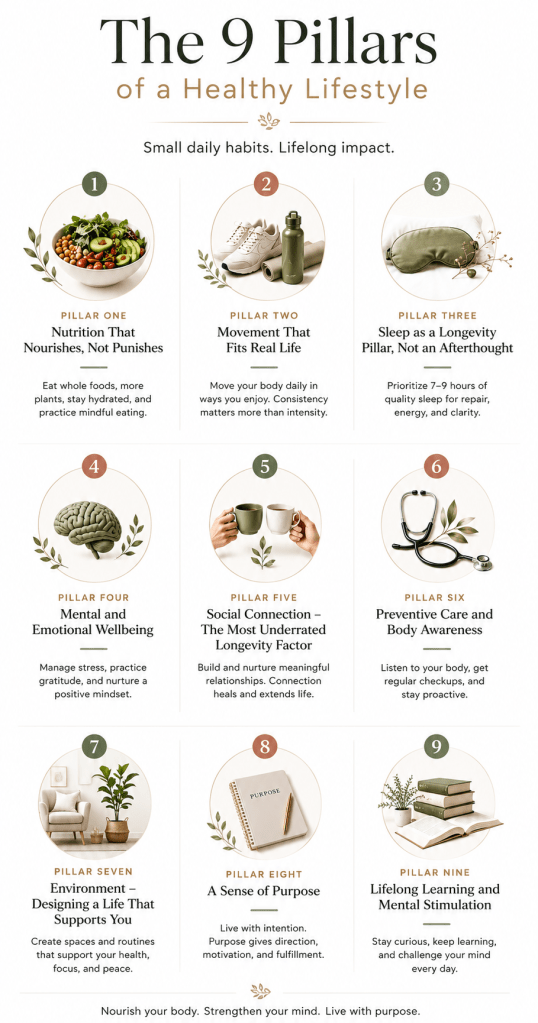
Reading through nine distinct pillars and dozens of practical tips can easily feel overwhelming, but that is absolutely not the intention here. Nobody adopts a fully optimized, perfect lifestyle overnight, and trying to do so would likely backfire and cause more stress. The real secret shared by the world’s longest-living, happiest populations isn’t perfection. It is simple consistency in a handful of basic habits, repeated so often that they stop requiring active willpower at all.
Pick just one single habit from each pillar that feels genuinely doable for you this week not the most impressive or difficult one, just the most sustainable one. A short daily walk. One extra vegetable at dinner. A consistent bedtime routine. A quick phone call to an old friend you have been meaning to reach.
These small, gentle shifts, compounded over months and years, are what actually separate a good life from a long, genuinely happy one.
Health isn’t a rigid destination you arrive at and then stop working toward. It is a loving relationship you build with yourself, one small, kind decision at a time.
Let’s discuss some more
Longevity and happiness look completely different for everyone, beautifully shaped by culture, circumstance, and personal values. Before you close this tab, we’d love to hear from you:
- Which of these nine pillars do you already feel strong in, and which one currently feels like your biggest opportunity for gentle growth?
- Is there a specific healthy habit from your own unique culture or upbringing that you think deserves more global recognition?
- If you could guarantee just one of these simple habits would stick with you for the rest of your life, which one would you choose today?
Share your thoughts in the comments below – sometimes hearing how someone else built a healthier life is exactly the spark needed to start building your own.


Leave a comment