
In today’s fast-paced, consumer-driven world, many of us feel overwhelmed by the amount of “stuff” in our lives. From cluttered homes to hectic schedules, it’s easy to feel like life is slipping through our fingers. Enter minimalism, a lifestyle that encourages us to strip away the excess in order to focus on what truly matters. By embracing minimalist living, you can create a more peaceful, meaningful, and intentional life. Here are 10 minimalist living tips to help you simplify your life.
1. Declutter Your Physical Space
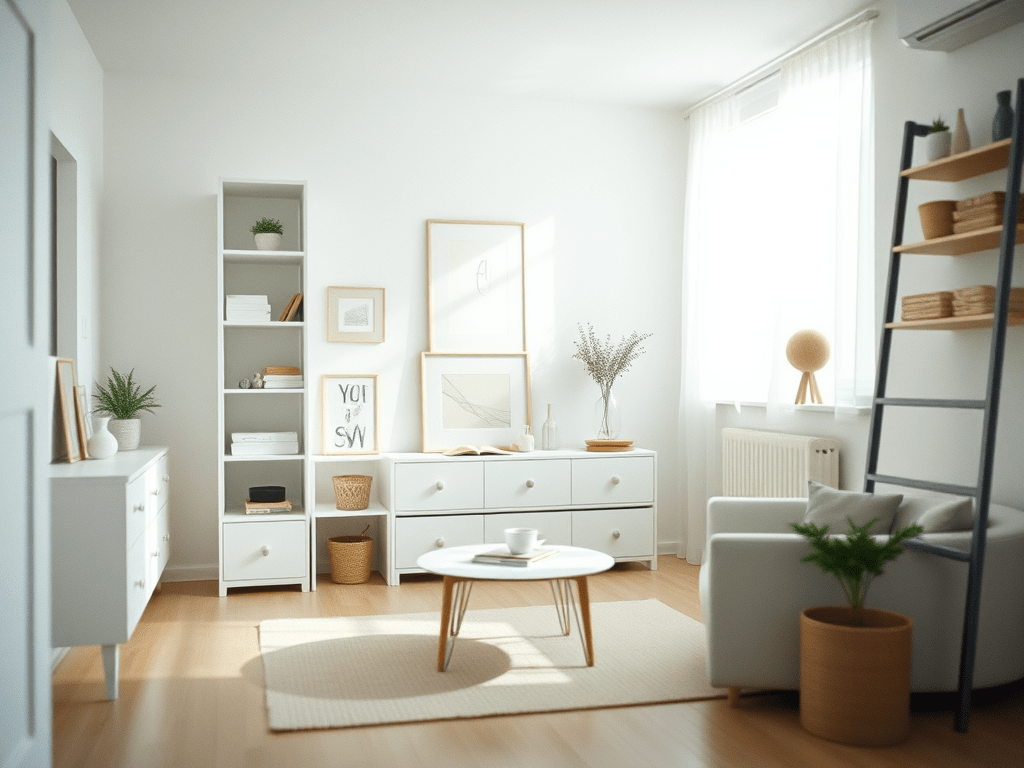
The first step to living a more minimalist life is to declutter your environment. A cluttered space often leads to a cluttered mind, causing stress and anxiety. Simplifying your physical space by removing unnecessary items can bring an immediate sense of calm and order to your life.
- Start small: Begin with one room, or even one drawer. Take inventory of everything you own and ask yourself, “Does this add value to my life?” If the answer is no, consider donating, recycling, or disposing of the item.
- Adopt the ‘one in, one out’ rule: For every new item you bring into your home, make a habit of removing one.
- Maintain a tidy environment: Once you’ve decluttered, keep it that way by developing habits like cleaning up after yourself, putting things back where they belong, and regularly reassessing your belongings.
Why it works: Decluttering creates a visually clean and serene space, making it easier to relax and focus on things that matter.
2. Simplify Your Wardrobe
Fashion can often contribute to decision fatigue. The more choices you have, the harder it can be to decide what to wear. By adopting a minimalist approach to your wardrobe, you can save time, money, and mental energy.
- Create a capsule wardrobe: A capsule wardrobe is a small collection of versatile clothing pieces that you love and can mix and match. Choose high-quality, timeless pieces that fit your style, and limit trendy items that quickly go out of fashion.
- Declutter your closet: Remove clothing items that no longer fit, that you don’t wear, or that don’t bring you joy. Keep only those pieces that serve a purpose and make you feel confident.
- Embrace neutral colors: Neutrals are easy to pair and create a cohesive wardrobe. They also tend to age well, meaning you can wear them season after season.
Why it works: A simplified wardrobe makes getting dressed easier, reduces decision fatigue, and can even reduce your environmental impact by cutting down on fast fashion purchases.

3. Limit Digital Clutter
In our digital age, minimalism extends beyond our physical space. Digital clutter can be just as overwhelming as physical clutter, if not more so. Between social media, emails, and constant notifications, our devices often demand more attention than we realize.
- Declutter your digital devices: Go through your phone, computer, and other devices to delete unused apps, files, and photos. Organize what’s left into folders or categories to make it easier to find things.
- Set boundaries with social media: Limit the time you spend scrolling through social media. Unfollow accounts that don’t add value or joy to your life. Consider digital detox days where you unplug completely.
- Manage your email inbox: Unsubscribe from newsletters and promotional emails that you never read. Organize important emails into folders and aim to achieve “inbox zero.”
Why it works: A decluttered digital life reduces distractions, allowing you to focus on more meaningful tasks and interactions.
4. Prioritize Quality Over Quantity
Minimalism isn’t about living with the bare minimum. It’s about living with the right things. By prioritizing quality over quantity, you can surround yourself with items that last longer, serve multiple purposes, and bring more joy into your life.
- Invest in durable, well-made products: Whether it’s clothing, furniture, or gadgets, choose quality items that will stand the test of time. This not only saves you money in the long run but also reduces waste.
- Choose multipurpose items: Look for items that can serve more than one function, such as a sofa bed, a jacket that works in all seasons, or a kitchen gadget that does double duty.
- Be intentional with your purchases: Before buying something, ask yourself if it’s truly necessary and if it adds value to your life. Avoid impulse buys.
Why it works: Focusing on quality over quantity leads to a more curated, intentional living environment that reflects your true needs and values.

5. Simplify Your Schedule
A minimalist life isn’t just about decluttering your belongings; it’s also about decluttering your time. An overloaded schedule can lead to stress and burnout. Simplifying your schedule allows for more time to focus on what’s truly important.
- Learn to say no: You don’t have to attend every event or take on every project. Prioritize your commitments and only say yes to things that align with your values and goals.
- Limit multitasking: Focus on doing one thing at a time, and do it well. Multitasking can leave you feeling scattered and stressed, while single-tasking allows you to be more present and effective.
- Create white space: Intentionally leave some time in your schedule for relaxation, self-care, and spontaneity. White space gives you room to breathe and reflect.
Why it works: A simplified schedule reduces stress, improves productivity, and allows you to be more present in your daily life.
6. Practice Mindful Consumption
In a consumer-driven society, it’s easy to get caught up in the cycle of buying more and more. Minimalism encourages mindful consumption, meaning you buy less but with more intention.
- Be aware of your spending habits: Track your spending for a month to see where your money goes. Identify areas where you can cut back, such as impulse buys or unnecessary subscriptions.
- Think before you buy: Before making a purchase, consider if it’s something you truly need or if it’s just an impulse. Wait 24 hours before buying anything non-essential.
- Reduce, reuse, recycle: Minimalism goes hand in hand with sustainability. Instead of buying new items, consider borrowing, renting, or purchasing second-hand. When possible, choose items made from sustainable materials.
Why it works: Mindful consumption helps you save money, reduce waste, and live more intentionally.
7. Focus on Experiences, Not Things
One of the core tenets of minimalism is to prioritize experiences over material possessions. Research shows that spending money on experiences, such as travel, hobbies, or quality time with loved ones, brings more long-term happiness than buying things.
- Create memories: Instead of buying physical gifts, consider giving the gift of experience, such as tickets to a concert, a cooking class, or a weekend getaway.
- Simplify your gift-giving: When it comes to holidays and birthdays, focus on meaningful experiences rather than physical gifts. This reduces clutter and creates lasting memories.
- Value relationships: Spend time with the people who matter most to you. Building strong, meaningful relationships is one of the most rewarding aspects of life.
Why it works: Experiences create lasting joy and fulfillment, while material possessions often bring only temporary satisfaction.
8. Adopt a Minimalist Mindset
Minimalism isn’t just a lifestyle; it’s a mindset. It’s about letting go of the societal pressures to have more, do more, and be more. A minimalist mindset helps you focus on what’s truly important and live with intention.
- Practice gratitude: Cultivate an attitude of gratitude for what you already have, rather than constantly seeking more. Gratitude shifts your focus from lack to abundance.
- Embrace simplicity: Simplify not only your belongings but also your thoughts and actions. Let go of perfectionism and the need to impress others.
- Let go of attachment: Understand that your worth is not defined by your possessions or achievements. Minimalism encourages you to detach from the need for external validation and focus on inner fulfillment.
Why it works: A minimalist mindset allows you to live with less stress, more contentment, and a deeper sense of purpose.

9. Streamline Your Finances
Financial stress can weigh heavily on our lives, but adopting minimalist principles can help you gain control over your finances. By simplifying your spending and saving habits, you can achieve financial freedom and peace of mind.
- Create a budget: A budget helps you keep track of your income and expenses, ensuring that you live within your means. Use apps or spreadsheets to make budgeting easier and more efficient.
- Automate your savings: Set up automatic transfers to your savings account each month. This ensures that you save consistently without having to think about it.
- Live below your means: Avoid lifestyle inflation, which occurs when you increase your spending as your income rises. Instead, aim to live on less than you earn and save or invest the difference.
Why it works: Streamlining your finances reduces stress, builds financial security, and gives you more freedom to pursue your passions.
10. Prioritize Self-Care and Well-Being
Finally, minimalism encourages you to take care of your most important asset: yourself. Simplifying your life creates more time and space for self-care, mindfulness, and well-being.
- Practice mindfulness: Incorporate mindfulness practices such as meditation, deep breathing, or journaling into your daily routine. These practices help you stay present and reduce stress.
- Simplify your wellness routine: You don’t need a complex, expensive wellness regimen to take care of yourself. Focus on the basics: eat nutritious foods, stay active, get enough sleep, and make time for relaxation.
- Set boundaries: Protect your time and energy by setting boundaries with others. Say no to activities or commitments that don’t align with your values or well-being.
Why it works: Prioritizing self-care and well-being helps you stay grounded, balanced, and better equipped to handle life’s challenges.

Conclusion
Minimalist living is not about depriving yourself or living with nothing. It’s about living with intention—choosing to focus on the things, people, and activities that add value to your life while letting go of the rest. By following these 10 minimalist living tips, you can simplify your life, reduce stress, and create more time and space for what truly matters.
Adopting a minimalist lifestyle won’t happen overnight, but with small, consistent changes, you can begin to experience the freedom and clarity that comes with living a more simplified, intentional life.
By embracing minimalism, you’re not just decluttering your home or cutting back on purchases—you’re making space for a more meaningful, fulfilled existence. Less truly can be more.
If you found these minimalist living tips helpful, don’t forget to like, share, and comment! Let us know your thoughts or share the steps you’ve taken to simplify your life—we’d love to hear your experiences!


Leave a comment