Have you ever wondered why massive life changes often fail to stick? It’s because transformation isn’t about doing something monumental overnight; it’s about consistent, small actions that build momentum over time. Enter micro habits—the tiny yet mighty building blocks of personal growth. In this guide, we’ll explore the power of micro habits, how they lead to big results, and actionable strategies to integrate them into your daily life. What small habit will you adopt today to transform your future?
Understanding Micro Habits
What Are Micro Habits?
- Definition: Micro habits are small, manageable actions that require minimal effort but, when repeated consistently, create significant impact.
- Examples:
- Drinking a glass of water upon waking.
- Meditating for one minute daily.
- Writing one sentence in a journal.
Why Micro Habits Work
- Ease of Adoption: They’re so small they’re hard to fail.
- Momentum Builders: Small wins motivate larger actions.
- Consistency Over Perfection: Regular practice matters more than intensity.
- Minimal Willpower: Less mental resistance compared to larger habits.

Photo courtesy: Pinterest
The Science Behind Micro Habits
The Compound Effect
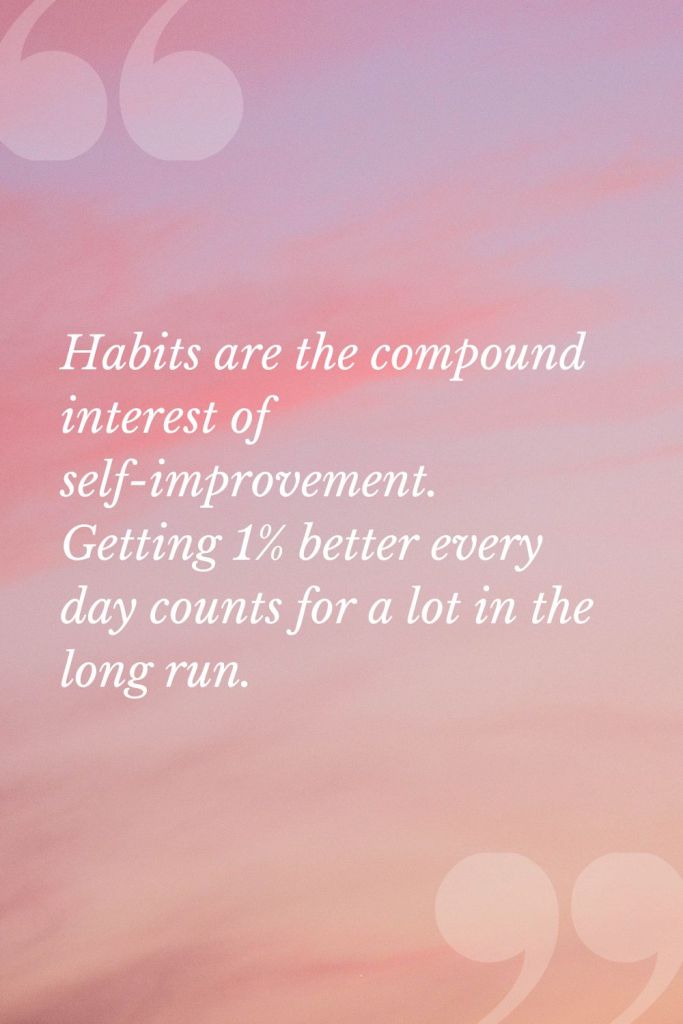
- Concept: Small, consistent actions compound over time to create significant change.
- Example: Saving $1 a day grows into substantial savings over years.
Neuroplasticity and Habit Formation
- Brain Pathways: Repeated small actions strengthen neural connections, making habits automatic.
- Reward Systems: Immediate rewards, even small ones, encourage habit repetition.
Behavioral Psychology Principles
- Cue-Routine-Reward Loop: Micro habits fit seamlessly into existing routines.
- Progressive Scaling: Starting small reduces overwhelm and builds confidence.

How Micro Habits Lead to Big Results
1. Creating Momentum
- Small actions often inspire bigger ones.
- Example: Doing one push-up leads to a full workout over time.
2. Building Confidence
- Success in small habits fosters a belief in your ability to achieve larger goals.
- Example: Reading one page daily evolves into finishing multiple books a year.
3. Overcoming Resistance
- Tiny steps bypass procrastination and mental barriers.
- Example: Writing one sentence reduces the intimidation of starting a novel.
4. Integrating into Existing Routines
- Micro habits pair well with habit stacking.
- Example: Flossing one tooth after brushing leads to a full dental routine.
How to Create and Sustain Micro Habits
1. Start Small
- Actionable Tip: Choose an action that takes less than two minutes.
- Example: Commit to 30 seconds of stretching rather than a full workout.
2. Anchor Habits to Triggers
- Actionable Tip: Pair new habits with existing ones.
- Example: After brewing coffee, write down one gratitude.
3. Focus on Consistency
- Actionable Tip: Track your progress to stay motivated.
- Example: Use a habit tracker app or a physical journal.
4. Celebrate Small Wins
- Actionable Tip: Reward yourself for maintaining consistency.
- Example: Treat yourself to a relaxing activity after a week of successful habit practice.
5. Scale Gradually
- Actionable Tip: Once the habit becomes effortless, expand it slightly.
- Example: Move from one-minute meditation to five minutes over time.
Examples of Micro Habits for Different Goals
Health and Fitness
- Take the stairs instead of the elevator once daily.
- Add one extra vegetable to your meals.
- Do a 10-second plank every morning.

Photo courtesy: Pinterest
Personal Growth
- Write one sentence in a gratitude journal.
- Read one page of a self-help book daily.
- Learn one new word in a foreign language.

Photo courtesy: Pinterest
Productivity
- Write a to-do list with one priority task.
- Clear one item from your workspace daily.
- Spend one minute organizing your email inbox.

Photo courtesy: Pinterest
Relationships
- Send one appreciation text to a loved one daily.
- Smile at one person during your day.
- Spend one uninterrupted minute listening to someone.

Photo courtesy: Pinterest
Overcoming Challenges with Micro Habits
Challenge 1: Forgetting to Do the Habit
- Solution: Use visual cues or alarms as reminders.
- Example: Place a water bottle on your nightstand as a hydration reminder.
Challenge 2: Losing Motivation
- Solution: Focus on the long-term benefits and celebrate progress.
- Example: Reflect on how one-minute meditations have improved your focus.
Challenge 3: Lack of Immediate Results
- Solution: Trust the process and remember the compound effect.
- Example: Acknowledge that small savings grow exponentially over time.
The Role of Mindset in Micro Habits
Adopt a Growth Mindset
- Believe that small changes lead to continuous improvement.
- Embrace challenges as opportunities to grow.
Focus on Identity, Not Outcomes
- Shift from “I want to lose weight” to “I am someone who makes healthy choices.”
Practice Patience
- Accept that micro habits take time to show results but have lasting impact.
Conclusion
The power of micro habits lies in their simplicity and consistency. By taking small, intentional steps every day, you can create a ripple effect that transforms your health, productivity, relationships, and overall well-being. Remember, significant changes don’t happen overnight but are the result of compounded small efforts. Start with one micro habit today and watch how it unlocks big results in your life.
What tiny action can you start today to build a better tomorrow? How will these small steps transform your future self?


Leave a comment