
Introduction: Fear of Failure – A Barrier or a Gateway?
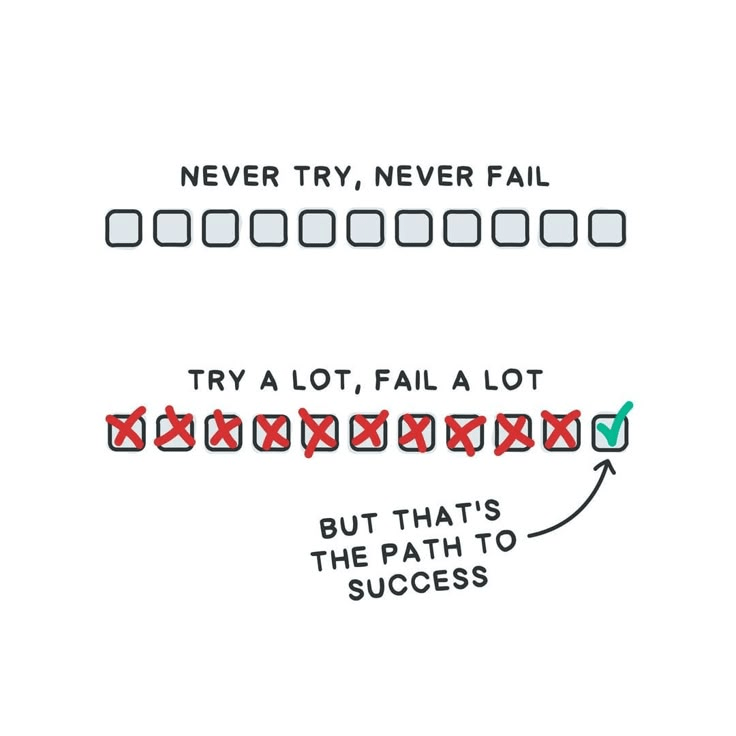
Have you ever hesitated to pursue a dream, fearing the possibility of failure? You’re not alone. The fear of failure is a universal challenge, often standing as the biggest obstacle between us and our goals. But what if failure wasn’t something to be feared but embraced as part of the journey to success?
In this blog, we’ll explore why fear of failure exists, its impact on our lives, and actionable strategies to overcome it. Whether you’re starting a new career, launching a business, or taking on a personal challenge, this guide will empower you to turn fear into fuel for growth.
Understanding the Fear of Failure
The fear of failure, also known as Atychiphobia, is an emotional response that stems from a deep desire to avoid loss, rejection, or disappointment. While it’s natural to want to succeed, an overwhelming fear of failure can lead to procrastination, self-doubt, and missed opportunities.
The Root Causes of Fear of Failure
- Cultural and Societal Expectations: Pressure to conform to societal standards can make failure feel unacceptable.
- Perfectionism: Striving for perfection often leads to a fear of not measuring up.
- Past Experiences: Negative experiences of failure can create lingering doubts.
- Fear of Judgment: Concerns about how others perceive failure can heighten anxiety.

Why Overcoming Fear of Failure is Crucial
Living in fear of failure restricts your ability to grow, take risks, and fully experience life. Here’s why addressing this fear is essential:
- Unlocks Potential: Overcoming fear enables you to take bold steps toward your dreams.
- Fosters Resilience: Learning from failure strengthens your ability to bounce back.
- Enhances Creativity: Fear-free thinking allows for innovation and exploration.
15 Proven Strategies to Overcome Fear of Failure
1. Redefine Failure
Instead of seeing failure as an endpoint, view it as a stepping stone toward growth. Each setback is an opportunity to learn and improve.
2. Adopt a Growth Mindset
Embrace the belief that abilities and intelligence can be developed. A growth mindset shifts focus from results to progress.
3. Set Realistic Goals
Break your larger goals into smaller, achievable steps. Celebrating small wins builds confidence and reduces fear.
4. Practice Self-Compassion
Be kind to yourself when you encounter setbacks. Recognize that everyone makes mistakes, and they don’t define your worth.
5. Focus on the Process, Not the Outcome
Concentrate on putting in your best effort rather than obsessing over results. Process-oriented thinking reduces anxiety.
6. Visualize Success and Failure
Picture yourself succeeding and how it feels. Also, imagine encountering failure and how you would navigate it gracefully. Visualization prepares you for both scenarios.
7. Learn from Role Models
Study the journeys of successful individuals who have faced and overcome failures. Their stories are proof that failure is a precursor to success.
8. Build a Support System
Surround yourself with positive and encouraging individuals who uplift you and help you navigate challenges.
9. Reframe Negative Thoughts
Replace “What if I fail?” with “What if I succeed?” Positive affirmations can shift your mindset.
10. Embrace Risk-Taking
Start small by stepping out of your comfort zone in manageable ways. Gradually, you’ll become more comfortable with taking risks.
11. Reflect on Past Failures
Look back on times when you’ve failed and identify the lessons learned. Recognizing growth from past setbacks can inspire confidence.
12. Detach from Others’ Opinions
Remember that failure is a personal experience. Don’t let fear of judgment deter you from pursuing what matters to you.
13. Practice Mindfulness
Mindfulness techniques, such as meditation and deep breathing, help you stay grounded and reduce anxiety related to failure.
14. Seek Professional Guidance
A coach or therapist can provide tools and strategies to overcome deeply ingrained fears and build resilience.
15. Take Action Despite Fear
Courage isn’t the absence of fear—it’s taking action in the face of it. Start small, and with each step, you’ll build confidence.

The Transformative Power of Overcoming Fear
When you confront and conquer the fear of failure, you unlock a world of possibilities. Embracing failure as part of your journey not only empowers you but also inspires others around you.
- Increased Self-Confidence: Facing your fears proves to yourself that you’re capable of more than you imagined.
- Deeper Relationships: Authenticity and vulnerability in failure can strengthen personal and professional connections.
- Lasting Fulfillment: Pursuing your dreams without fear leads to a more satisfying and purpose-driven life.

Conclusion: What Would You Do If You Couldn’t Fail?
Fear of failure is a natural part of life, but it doesn’t have to define or limit you. By adopting the strategies outlined in this guide, you can shift your perspective, embrace challenges, and move confidently toward your goals.
Failure isn’t the end; it’s the beginning of growth and self-discovery. The real failure is in never trying at all. What fear has held you back, and how do you plan to overcome it? Share your story in the comments below and inspire others to take their first step toward freedom from fear!


Leave a comment