
Introduction
In our fast-paced lives, finding time for self-care can seem like an impossible task. However, carving out just ten minutes each morning for yoga can profoundly impact your physical and mental well-being. Yoga is more than just stretching; it’s a way to ground yourself, increase flexibility, and set a positive tone for the day ahead. The best part? You don’t need an hour-long session or fancy equipment to reap the benefits.
This 10-minute morning yoga routine is designed for busy people who want to incorporate mindfulness and movement into their mornings without compromising their schedules. Let’s explore how a simple daily practice can transform your mornings.
Why Start Your Day with Yoga?
Practicing yoga in the morning offers a host of benefits that go beyond physical fitness:
- Boosts Energy Levels: Gentle stretches and mindful breathing help awaken your body.
- Improves Focus: A calm mind is better equipped to handle the day’s challenges.
- Reduces Stress: Yoga lowers cortisol levels, promoting relaxation.
- Enhances Flexibility: Starting the day with movement prepares your muscles and joints.
- Promotes Mindfulness: Yoga encourages you to be present, cultivating gratitude and awareness.
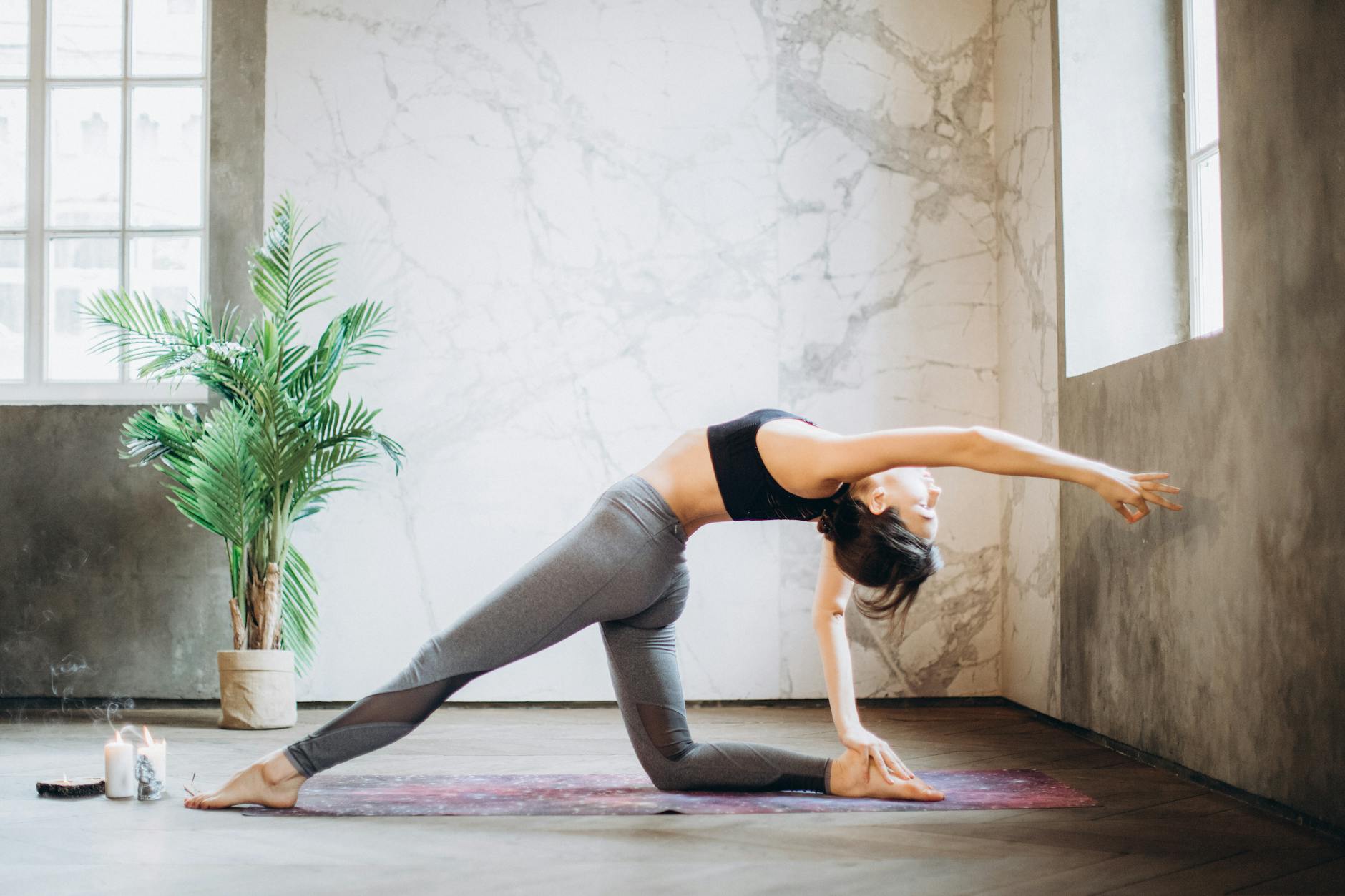
Preparing for Your Practice
To make the most of your 10-minute routine, follow these simple tips:
- Choose a Quiet Space: Dedicate a clutter-free area for your practice.
- Wear Comfortable Clothing: Opt for breathable, stretchy materials.
- Use a Yoga Mat: Provides stability and cushioning.
- Set an Intention: Begin with a goal or focus, such as “clarity” or “relaxation.”
The 10-Minute Morning Yoga Routine
This routine consists of seven simple poses designed to energize and center you for the day ahead. Each pose flows seamlessly into the next, requiring no special skills or experience.
1. Mountain Pose (Tadasana)
- Duration: 1 minute
- Purpose: Grounds and aligns your body.
How to Do It:
- Stand tall with your feet together or hip-width apart.
- Distribute your weight evenly across both feet.
- Roll your shoulders back and down, with your arms relaxed at your sides.
- Inhale deeply, reaching your arms overhead, and exhale as you bring them back down.
Benefits: Improves posture and creates a sense of stability.
2. Forward Fold (Uttanasana)
- Duration: 1 minute
- Purpose: Stretches the hamstrings and relieves tension in the back.
How to Do It:
- From Mountain Pose, hinge at your hips and fold forward.
- Allow your arms to hang or hold opposite elbows.
- Keep your knees slightly bent if necessary.
- Breathe deeply and relax your neck.
Benefits: Releases tension and promotes blood flow to the brain.
3. Downward Dog (Adho Mukha Svanasana)
- Duration: 1.5 minutes
- Purpose: Strengthens the upper body and stretches the spine and legs.
How to Do It:
- Begin in a tabletop position with your hands under your shoulders and knees under your hips.
- Tuck your toes under and lift your hips toward the ceiling.
- Keep your back straight, and press your heels toward the ground.
- Hold the pose, taking slow, deep breaths.
Benefits: Energizes the body and enhances overall flexibility.
4. Low Lunge (Anjaneyasana)
- Duration: 2 minutes (1 minute per side)
- Purpose: Opens up the hips and stretches the legs.
How to Do It:
- From Downward Dog, step your right foot forward between your hands.
- Lower your left knee to the ground and lift your arms overhead.
- Keep your chest open and gaze forward.
- Hold, then switch sides.
Benefits: Relieves lower back pain and improves balance.
5. Cat-Cow Stretch (Marjaryasana-Bitilasana)
- Duration: 1 minute
- Purpose: Warms up the spine and improves flexibility.
How to Do It:
- Return to the tabletop position.
- Inhale, arching your back (Cow Pose), and gaze upward.
- Exhale, rounding your spine (Cat Pose), and tuck your chin to your chest.
- Alternate between the two, syncing your movements with your breath.
Benefits: Eases back stiffness and promotes spinal mobility.
6. Seated Twist (Ardha Matsyendrasana)
- Duration: 2 minutes (1 minute per side)
- Purpose: Improves spinal mobility and aids digestion.
How to Do It:
- Sit on the mat with your legs extended.
- Bend your right knee and cross it over your left leg, placing your foot on the ground.
- Place your right hand behind you and your left elbow on the outside of your right knee.
- Inhale to lengthen your spine and exhale as you twist.
- Repeat on the other side.
Benefits: Detoxifies and energizes the body.
7. Corpse Pose (Savasana)
- Duration: 1.5 minutes
- Purpose: Promotes relaxation and mindfulness.
How to Do It:
- Lie flat on your back with your arms at your sides, palms facing up.
- Close your eyes and take slow, deep breaths.
- Focus on releasing tension from every part of your body.
Benefits: Reduces stress and enhances mental clarity.
Tips for Success
- Stay Consistent: Commit to practicing daily, even if only for 5-10 minutes.
- Focus on Breath: Deep breathing enhances relaxation and energy flow.
- Modify as Needed: Adjust poses to suit your flexibility and strength levels.
- Practice Gratitude: End each session by reflecting on something you’re grateful for.

Important Note: Listen to your body throughout this routine. If you feel any pain, gently ease out of the pose. Individuals with pre-existing health conditions should consult their doctor before starting any new exercise program.
Conclusion
A 10-minute morning yoga routine is a simple yet powerful way to start your day with intention and positivity. By incorporating these beginner-friendly poses into your mornings, you’ll set the tone for a productive and stress-free day. Remember, yoga is not about perfection but about progress and mindfulness. Start small, stay consistent, and enjoy the transformative benefits of this daily practice.


Leave a comment